
A wet basement rarely announces itself with a flood. More often it shows up in small, easy-to-miss signs long before water is pooling on the floor, and catching those signs early is the difference between a simple fix and an expensive one. In Lancaster’s limestone and clay-loam ground, where groundwater sits high, these warning signs are worth knowing. Here is what to watch for, what each sign is telling you, and when it is time to act.
The Most Common Signs of a Wet Basement
A wet basement gives itself away in several recurring ways. The more of these you notice together, the more likely you have an active moisture problem rather than a one-off:
- Musty smell. That distinctive damp, earthy odour is one of the earliest signs, caused by moisture and mildew even when nothing looks visibly wet.
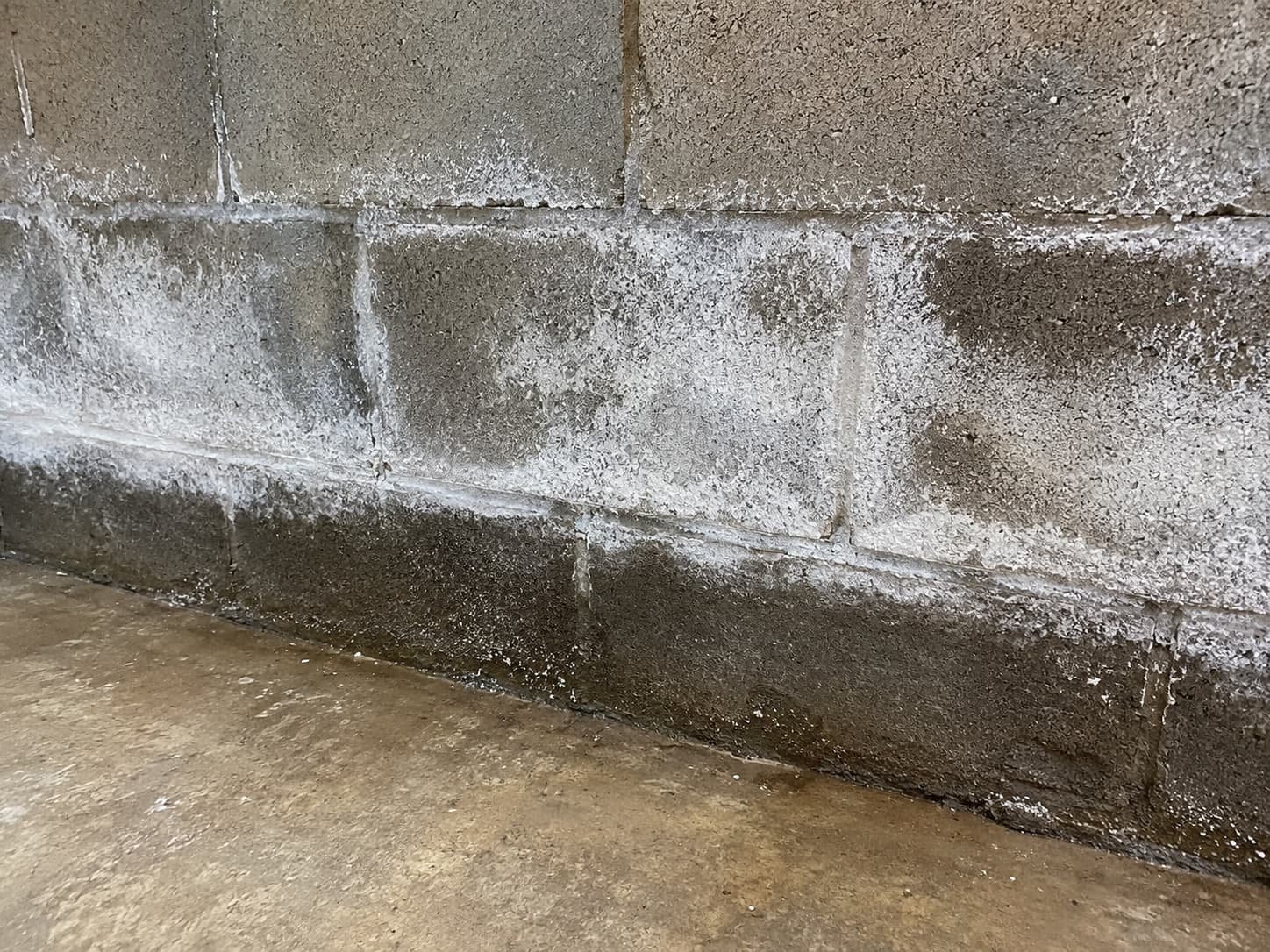
- White, chalky staining. Known as efflorescence, this powdery residue on block or concrete walls is left behind as water moves through and evaporates.
- Tide marks and discolouration. Horizontal stains low on the wall show how high water has previously risen against the foundation.
- Peeling paint or bubbling finishes. Moisture pushing through the wall lifts paint and coatings from the inside out.
- Visible mold or mildew. Black, green, or grey growth on walls, joists, or stored items is a clear signal of sustained dampness.
- Condensation and high humidity. Sweating walls, foggy windows, or a clammy feel point to excess moisture in the air.
- Rust and damp belongings. Rust on appliance legs or metal shelving, and boxes that feel soft or smell musty, all flag a wet floor.
- Cracks that weep. A foundation crack that shows moisture or staining around it is letting water through.
Why Lancaster Basements Show These Signs
These warning signs are common across Lancaster County for reasons built into the ground itself. Much of the area sits on limestone bedrock with a high, spring-fed water table, while the surrounding clay-loam soils hold water against foundations and drain slowly. Add the region’s freeze-thaw winters, which widen existing cracks, and the older stone and block foundations found throughout the local boroughs, and you have homes where moisture finds a way in unless it is actively managed. A wet basement here is usually a symptom of that groundwater pressure rather than a simple plumbing leak.
What a Wet Basement Is Telling You
Each sign points to water moving where it should not. Efflorescence and tide marks reveal a path water is already travelling. A musty smell and visible mold show that dampness has been present long enough to affect the air you breathe. That last point matters beyond the basement: the EPA notes that damp, mold-prone spaces can affect indoor air quality throughout a home, not just the room where the moisture sits. Ignoring the early signs does not make them go away; it simply lets the moisture do more damage to finishes, framing, and stored belongings over time.
What to Do About a Wet Basement
The right response depends on what is driving the moisture, which is why an inspection comes first. For the steady groundwater that affects most Lancaster homes, an interior drainage system paired with a reliable sump pump is the most effective answer, collecting water at the floor and pumping it safely away. Where moisture is entering through a specific crack, foundation crack repair seals the path directly. You can see how all of these work together on our main basement waterproofing page.
The key is to treat the cause, not just the symptom. Painting over efflorescence or running a dehumidifier may hide a wet basement for a while, but only proper drainage and sealing keep it genuinely dry.
Caught the Signs Early? Act Now
If your basement shows any of these signs, the best time to address them is before the next wet season makes them worse. Lancaster Basement Pros will inspect your basement, identify exactly where the moisture comes from, and give you a written, itemised estimate. Call us at (717) 837-9998 or request your free, no-obligation estimate today.